As we celebrate Fair Use/Fair Dealing Week, we are reminded of all the ways these flexible copyright exceptions enable libraries to preserve materials and meet the needs of the communities they serve. Indeed, fair use is essential to the functioning of libraries, and underlies many of the ordinary library practices that we all take for granted. In this blog post, we wanted to describe a few of the ways the fair use doctrine has helped us build our library.
Fair use in action: Web Archives and the Wayback Machine
The Internet Archive has been archiving the web since the mid-1990’s. Our web collection now includes more than 850 billion web pages, with hundreds of millions added each day. The Wayback Machine is a free service that lets people visit these archived websites. Users can type in a URL, select a date range, and then begin surfing on an archived version of the web.
Web archives are used for a variety of important purposes, many of which are themselves fair uses. News reporting and investigative journalism is one such use of the Wayback Machine. Indeed, thousands of news articles have relied upon historical versions of the web from the Wayback Machine. Just last week, 13 links to the Wayback Machine were used in a CNN story about an Ohio GOP Senate candidate’s previous statements that were critical of former President Trump. Our web archive also becomes an urgent backup for media sites that are shut down suddenly, whether by authoritarian governments or for other reasons, often becoming the only accessible source both for the authors of these stories and for the public. Another important purpose web archives can serve is as evidence in legal disputes. Attorneys use the Wayback Machine in their daily practice for evidentiary and research purposes. In 2023 alone, the Internet Archive attested to 450 affidavits in cases where Wayback Machine captures were used as evidence in court.
The Wayback Machine also makes other parts of the web, such as Wikipedia, more useful and reliable. To date, the Internet Archive has been able to repair over 19 million broken links, URLs, that had returned a 404 (Page Not Found) error message, from 320 different Wikipedia language editions. There are many reasons, including bit rot and content drift, why links stop working. Restoring links ensures that Wikipedia remains an accurate and verifiable source of information for the public good. And we hope to build new tools and partnerships to help create a more dependable knowledge ecosystem as more and more content on the web is created by generative AI.
The Fair Use doctrine is broadly considered to be what makes web archiving possible. Without it, much of our knowledge and cultural heritage–huge amounts of which are now artifacts in digital form–would be at risk. In today’s chaotic information ecosystem, safeguarding this material in an open, accessible, and transparent way is vital for history and vital for democracy.
Fair use in action: Manuals collection
Whether you are an individual who has rendered an appliance useless because you lost the instructions, or a professional mechanic looking to fix an old vehicle, owners’ manuals are invaluable. As the right to repair movement has amply demonstrated, copyright should not stand as an obstacle to using machines you’ve bought and paid for. This is a place where fair use can shine.
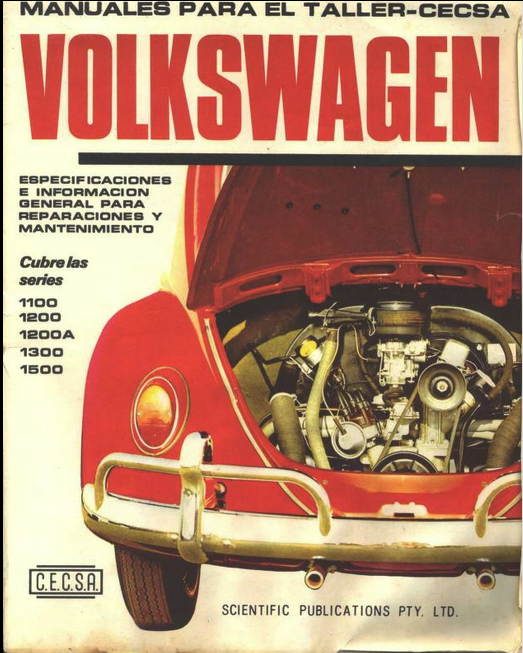
Over the years, the Internet Archive has received manuals, instruction sheets and informational pamphlets of all kinds. The Manuals collection has well over a million items—or users to access 24/7 at no cost. This resource gives people the right to repair and extend the life of their products. Whether you are a rocket scientist needing to operate your space shuttle, a mechanic who needs to repair a vintage VW Bug, or a curious kid trying to fix up your mom’s old computer, having free online access to the technical documentation you need is essential. And in many cases, there would appear to be no other way to get access to this crucial information.
Some preserved manuals are a single printed page with poorly constructed diagrams. Others are multi-volume tomes that give exacting details on operation of a complex piece of machinery. These materials are more than instructions or a list of components. They reflect the priorities and approaches that companies and individuals take with products, as well as the artistic and visual efforts to make an item clear to the reader.
This collection is a cool example of how fair use provides a framework for the Internet Archive to share critical knowledge with consumers. At the same time, it provides a historical timeline of sorts for innovation and the development of technology.
From preserving our digital history to providing access to manuals of obsolete devices, fair use helps libraries like ours serve our community. And while there are no doubt a variety of commercial projects that properly rely on fair use, fair use is at heart about the public good. As we celebrate Fair Use week, we should remember the crucial role it plays, and ensure that we preserve and protect fair use for the good of future generations. For more on events and news on Fair Use/Fair Dealing Week, visit FairUseWeek.org.